Showing posts with label Full Moon Feast. Show all posts

Tuesday, March 20, 2012

Sap Moon

Full Fasting Moon

**** **** **** **** **** **** ****

I walked out of my house at 6:30 this morning and was greeted by the bright light of the rising old crescent moon. It was lovely, and a beautiful sight in the predawn hour, but it also reminded me just how late in writing this blog post I am.
This month is the Hunger Moon in Annette Hinshaw's calendar and the Sap Moon in Jessica Prentice's. It is the late winter moon where resources are scarce but the first joyful gift of spring - sugary sap from maple, birch and other trees - is starting to flow. Even in the harshest of climates, spring is starting to show itself. Heck, in milder climates like mine spring has sprung! I saw the first car-covered-in-fruit-tree-petals of the season yesterday and daffodils are popping up in many yards around town. We did have a freak snow storm earlier this week, but it melted into a warm, soggy rain by the end of the week.

The interlocking themes of the Sap Moon and the Fasting Moon have been fascinating me this month. One of the first connections that jumped to mind in thinking about these two moon themes is the connection between sugar consumption and poor health. It is getting clearer and clearer to both medical professionals and the general public that consuming too much sugar (and other refined carbohydrates) is really bad for your health. Dr. Joseph Mercola, the well known counter cultural medical doctor and businessman, recently wrote an article claiming sugar is the cause of everything from obesity and diabetes to high blood pressure, kidney disease and fatty liver disease.  Other researchers have evidence that sugar interferes with mineral and protein absorption, an acidic digestive tract, food allergies and distracted, hyper or anxious behavior. A classic favorite New York Times article from 2002, What If It's All Been a Big Fat Lie by Gary Taubes, also puts forth the idea that it isn't fat that is making us sick and fat, but carbohydrates like sugar and white bread. Even if none of those fantastical claims are true, the uber-main stream USDA's My Plate campaign still count "reducing your kids' sweet treats" as one of their 10 tips for healthier eating (though there is almost nothing else worth commending about this plan. Ugh). The general consensus among thinking people is that the American habits of sugary foods and sugary drinks are not helping our chronic public and private health problems (check out this AWESOME infographic about sugary fruit drinks).
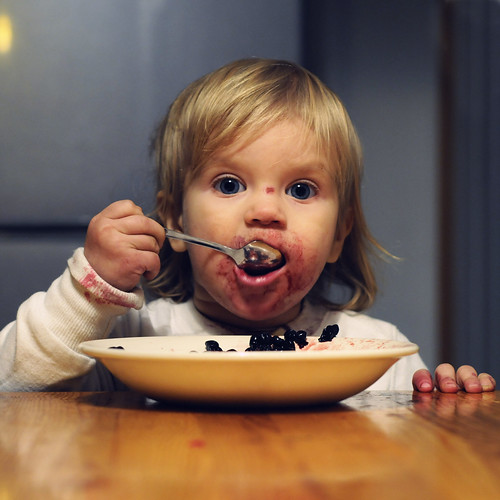
Mait Jüriado
So, we can agree that we should be eating less sugar than we currently do. But sugar tastes so good. It reminds us of mother's milk, sweets we had as children and general lovely and happy feelings. They are an important part of our food rituals and traditions. As a blogger I love noted the other day, sweets make you smile. Imagine trying to have a sugar free Christmas (no cookies, or candycanes!) or birthday (no cake, ice cream or soda!). But to be skinny, cavity free and healthy it might be worth it.

We can look back into progressive tradition to find another group of people who abstained from sugar for a good reason. 19th century abolitionists in America and Britain launched strong and successful campaigns to convince people to refrain from sugar on the grounds that it was produced by slave labor. An anti sugar leaflet was published by a man named William Fox in 1791 and by the next year as many as 400,000 people claimed to be abstaining from slave grown sugar. In March of that year, a Quaker merchant from Suffolk named James Wright put out an advertisement informing his customers that he would no longer be selling sugar. 
 “…..Therefore being impressed (as I have said) with the Sufferings and Wrongs of that deeply injured People, and also with an Apprehension, that while I am a Dealer in that Article, which appears to be a principal Support of the Slave-Trade, I am encouraging Slavery; I take this Method of informing my Customers, that I mean to discontinue selling the Article of SUGAR, (when I have disposed of the Stock I have on hand) ‘till I can procure it through Channels less contaminated, more unconnected with Slavery, and less polluted with Human Blood…….”
Abolition Project
Those "channels less contaminated" included, for some people, the more expensive sugar produced by free laborers in India but for many it meant natural sugars like honey, sorghum and maple syrup. As early as the signing of the Declaration of Independence, abolitionists like Benjamin Rush along with some more early Quakers, were agitating for families to use maple syrup instead of slave produced West Indian sugar. Maple syrup, made by small farmers in New England and Canada, was free of these bloody associations with slavery and very patriotic. Maple syrup is still a valued food, known as an artisanal, local specialty and considered much more healthful than white sugar. A wonderful homeschooling family just did a whole unit on maple sugaring this winter and blogged about the whole, fascinating process. Go check out what they did and what they learned. 

Buying local sweetners instead of slave produced ones was a a matter of deep held principal for these abolitionists. They knew that all men are born of God and thus all men are entitled to the same respect, rights and love as all others. To be economically entangled with an industry that is so guilty of the disrespect of these rights and duties towards mankind was morally indefensible. Is it any more defensible today? There are still enslaved Africans producing our chocolate and many other goods are produced through the blood and sweat of economically indentured workers or grotesque and inhumane treatment of sentient beings. Still others come at the price of environmental degradation that most of us are appalled at. How can we spend our money on such dirty things?

Hadleygrass is asparagus
Then I am back to the perennial question of how do we idealistic liberals continue to live in this culture (rather than abandoning it for Utopian communes or private Edens) while still holding to our core beliefs and values? The beloved 18th century Quaker John Woolman, in his essay Some Considerations on the Keeping of Negroes, placed his finger right on the crux of this issue: 
 "When self-love presides in our minds our opinions are biased in our own favour. In this condition, being concerned with a people so situated that they have no voice to plead their own cause, there’s danger of using ourselves to an undisturbed partiality till, by long custom, the mind becomes reconciled with it and the judgment itself infected. "
When we love ourselves more than we love God (God-in-others, God-in-nature, God-in-ourselves or any other kind of God we can think of) we find a way to justify our actions. We find a way to believe that it is all OK, we don't make a difference, it's not that big of a problem anyway. In December I addressed this very question and offered the idea of making connections with other people, other genuine, connected to God, honest to goodness people would help rebuild webs of community. Building or rebuilding the structures we want in the world are important, but the Fasting Moon this month points to the fact that we can reject that which we don't want, too. 
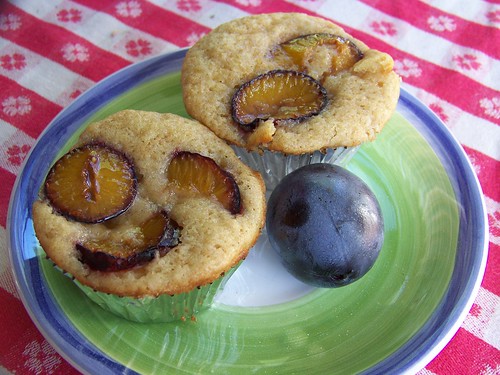
Sometimes, we just have to buck up and say no. It is important that people say no to slave grown sugar and chocolate, factory farmed meat, and destructive industries of all kinds. Sigh. That is just so hard, and I don't have much energy leftover right now for another hard challenge in my life. Part of Grabbing the Tiger by the Tail is knowing when to walk away from the tiger... knowing that you will return someday. 

What is your relationship with sugar? Do you watch how much you consume or do you pack in the sweets whenever possible? Are you worried about health implications or do you have other moral issues like the early abolitionists? Have you ever tapped maple trees or raised bees? How are you Grabbing the Tiger by the Tail this early spring? 

**** **** **** **** **** **** ****  

Full Fasting Moon 2009: Full Moon in the Fasting Moon

Full Fasting Moon 2010: I didn't post a Full Fasting Moon post in 2010, but Spring is Springing is a New Fasting Moon post for that spring.

Full Fasting Moon 2011: Of Peacocks, Pride and Park Rangers

Monday, February 13, 2012

The Bone Moon

Full Milk Moon

**** **** **** **** **** **** ****
It is the full moon (er.. a little past) of the month that Annette Hinshaw calls the Milk Moon and Jessica Prentice calls the Hunger Moon. It is late in the winter and in milder climates spring may be hinting at it's arrival, but it is not yet here. There is an old saying in New England, though, "half the wood and half the hay you should have left on Candlemas day." In those northern places winter is only half over. Both Annette Hinshaw and Jessica Prentice write about how we can manage our resources during these hard times through our choices and our connections in order to nourishing what is growing in our lives.

In our post industrial, urban world many of us don't even notice that there is a seasonality to the abundance or lack of food. The farmers markets may not be open this time of year, and we may be missing tasty peaches and strawberries, but everything else is still available in our local mega mart. I visited a small produce market near my new school last week that focuses on local foods and found a vast abundance of good looking produce. As expected they had lovely apples from this autumn's harvest stacked in crates out front and piles of local hardy greens but they also had bell peppers, celery, fresh herbs and even a few hot house tomatoes. We never have to fast to conserve resources and when people in our country are hungry it is from lack of money, not the unavailability of food.

Menudo by scaredy_kat
Traditional cultures knew the value of foods that stretch resources and can provide nourishing food even when the stores are low.  Dried grains, root crops, fermented vegetables, hard cheeses and soups are the staple foods of most European cultures and the winter foods of Asia and North America are similar. The hearty soups that people across the globe eat during hard times to keep nourished and elevate into high cuisine in the good times are all based on one important food source - animal bones. Chinese egg drop soup, Korean gomguk, Thai tom yum, Norweigian cabbage soup, Russian shchi, Irish mutton stew, French onion soup, Mexican menudo and Cherokee pepper pot stew are all traditional soups that start with animal bones and end with a warm, nutritious meal perfect for late winter. In the Cherokee calendar, this month of the year is called the Bone Moon. I think that is fitting.

I make stock out of chicken, beef and whatever other bones make their way through my kitchen on a regular basis. I collect bones, both raw and cooked, along with vegetable scraps in a plastic zip bag in the freezer and make stock when I have about a gallon of scraps. The stock can simmer for a few hours, or a few days before you have to deal with it again, and the finished stock can stay in your fridge for a few days or your freezer for a few months. We use it to make soup, stew, polenta, rice and many other dishes that are infinetly more delicious and nutritious when made with home made stock. In fact, last weekend, my sister made a most delicious white bean and kale soup with homemade stock. 

*** *** *** 

Home Made Bone Stock
1/2 -1 gallon of assorted chicken, pork, beef or other bones (use mostly chicken, with some others... for beef stock see these instructions)
4-6 cups of assorted vegetable scraps from carrots, onions, garlic, celery, mushrooms or other non-cruciferous (cabbage family) vegetables
1 onion, cut in half with skin (if not enough onion in the veggie scraps)
2-4 cloves of garlic, smashed with skins (if not enough garlic in the veggie scraps)
2 tbs cider vinegar or 1/4 cup white wine1 tsp whole pepper corns
1-2 tsp salt
fresh or dried herbs including thyme, rosemary, sage or bay (optional)

Put the bones and veggies in a large stock pot (spaghetti pot or larger) and cover with cold water. Add the vinegar or wine and slowly bring the pot to a boil. If your bones are frozen, you can turn the heat to medium until everything is defrosted and warm, then up to high to boil. As it comes to a boil, skim any foam that rises to the top off and discard (don't skim too much fat off if you have it on top of the pot, that's good stuff!). Add the salt, peppercorns and optional herbs. Put a lid on the pot, turn the heat down to low or medium low to maintain a slow simmer.

Kale and White Bean Soup by little blue hen
Chicken stock is ready to strain and use after 4-6 hours, but can also be cooked considerably longer. I often simmer for a few hours, put the lid on and turn the heat off, then bring back to a boil and simmer again the next day. I've never gotten sick, yet, but if you are worried, just strain and refridgerate your stock whenever you are done letting it simmer. I strain my stock through a colander with or without a wire sieve in it (depending on how lazy I am feeling - I don't mind a cloudy stock) and pour it into various sized plastic containers to go into the freezer. 

White Bean and Kale Soup
2 quarts home made chicken stock, or a mix of stock and water
2 tbs olive oil, chicken fat or bacon fat
1 linguica sausage, chopped
1 onion, chopped fine
3 cloves of garlic, sliced, chopped or pressed
2 tsp red pepper flakes
1 tsp Italian seasoning
Salt and pepper to taste
1 can white beans, drained and rinsed or 2 cups homemade white beans
1 quart of kale, trimmed and chopped 
1-3 tsp lemon juice or cider vinegar

In 4 quart soup pot, heat the oil and fry the linguica until it has rendered it's fat and is starting to brown. Add the onion, pepper flakes and Italian seasoning along with some salt and pepper. Fry until the onion is soft and golden and add the garlic, frying another minute or so until fragrant.

Add the chicken stock and bring to a boil. Lower the heat to a simmer and add the white beans and kale. Cook for at least 10 minutes or until the beans are hot and the kale is wilted and soft. Adjust the seasoning with salt, pepper and lemon juice. Serve with cheese toasts, croutons, sauer kraut or whatever garnishes you like on soup. 

*** *** ***

Every Jewish grandmother knows that chicken soup will cure what ails you, from colds and flu to a broken heart or wrinkley face. Modern science is piling up more and more evidence that she is right. The connective tissue in bones and carcasses is full of gelatin and other nutrients that support healthy bones, joints, skin and hair. Gelatin is also a very nutritious and soothing protein that people of all ages and health levels can digest. Bone marrow, the fatty middle part of long bones, is an especially nutritious food that might support immune function but definitely supports a delicious meal. You can ask your butcher to cut long bones into
Silky Healthful Fat by Sifu Renka
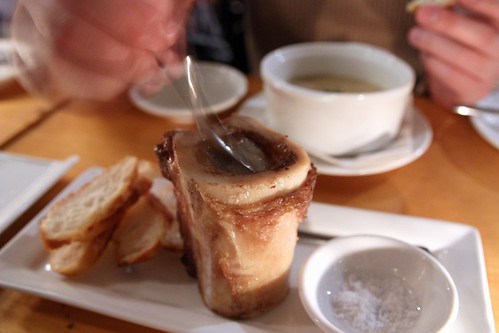
2-3 inch slices, roast the bones and then pull the marrow out and spread it on toast. The marrow course was the highlight of my sister and I's recent trip to a fancy restaurant in downtown Portland. 

In addition to being good for the body, making stock is good for the soul and spirit, too. It is recycling at it's best and a truly respectful way to treat the animals we use for food. Bart Everson speaks eloquently of this transformation and what it means to him on the blog Humanistic Paganism. I know, too, that there is magic in taking the leftovers, the scraps and the ends and turning them, through long simmering, into a wonderful elixer of health and flavor. This can be a hard, hard time of the year especially if we are disconnected from our community and support. Using ancient and wise techniques like fasting, sharing or making bone soup reminds us that we do have the resources to nourish ourselves and each other, even when it looks like all we have is a picked over plate. 

How do you nourish yourself and your community during this dark time of late winter? Do you make stock at your house or have any memories of a lovingly made soup? What other recipes do you like for turning leftovers and left-behinds into loving nourishment? Do you prefer tom yum or french onion soup?

**** **** **** **** **** **** ****

Full Milk Moon 2009: Nourishing Self As Well As Others

Full Milk Moon 2010: The Full Wolf Moon

Full Milk Moon 2011: The Positive Feedback Loop of Love

Check the recipes and soup tags for more posts with yummy food. 

** This winter was tough and I got messed up in my calendar. I wrote this thinking it was the Fasting Moon but it was really the Milk Moon. Since the post itself is more about the the Bone Moon, I just changed the tags and labels. For more on my thoughts about this, see this post. **

Thursday, December 29, 2011

Wolves at the Gate


New Birth Moon

**** **** **** **** **** **** ****

    “Lose the bobcat?” she asked him.
    “No, lost you. For a while.”
    “Not for long, I see.”
    He was wearing his hat again, with the brim pulled low. She found it harder to read his eyes. “You weren’t after that cat today,” he accused. “That trail’s a few days old.”
    “That’s right.”
    “I’d like to know what it is you’re tracking.”
    “You’re a man that can’t hold his horses, aren’t you?”
    He smiled. Tantalizing. “What’s your game, lady?”
    “Coyotes.”
    His eyes widened, only for a second and a half. She could swear his pupils dilated. She bit her lower lip, having meant to give away nothing. She’d forgotten how to talk with people, it seemed – how to sidestep a question and hide what was necessary.
    “And bobcats, and bear, and fox,” she piled on quickly, to bury the coyotes. “Everything that’s here. But especially the carnivores.”
    She shifted, waiting, feeling her toes inside her boots. Wasn’t he supposed to say something after she finished? When he didn’t, she suggested, “I guess you were looking for deer the other day?”
    He gave a small shrug. Deer season was many months over and gone. He wasn’t going to be trapped by a lady wildlife ranger with a badge. “Why the carnivores, especially?” he asked.
    “No reason.”
    “I see. You’re just partial. There’s birdwatchers, and butterfly collectors and there’s gals like you that like to watch meat eaters.”
    He might have known this one thing could draw her talk to the surface: an outsider’s condescension. “They’re the top of the food chain, that’s the reason,” she said coldly. “If they are good, then their prey is good, and its food is good. If not, then something’s missing from the chain.”
    “Oh yeah?”
By Jerolek
    “Yeah. Keeping tabs on the predators tells  you what you need to know about the herbivores, like deer, and the vegetation, the detritovores, the insect populations, small predators like shrews and voles. All of it.”
    He studied her with a confusion she recognized. She was well accustomed to watching Yankee brains grind their gears, attempting to reconcile a hillbilly accent with signs of a serious education. He asked finally “And what you need to know about the shrews and voles would be what, exactly?”
    “Voles matter more than you think. Beetles, worms. I guess to hunters these woods seem like a zoo, but who feeds the animals and cleans up the cage, do you think? Without worms and termites you’d be up to your hat brim in dead tree branches looking for a clear shot.”

 *** *** ***
The new moon this month is the new Birth Moon in Annette Hinshaw's calendar and the new Wolf Moon in Jessica Prentice's. It is the dark of winter, the testing place of the wisdom and support we gathered over the last summer both physically as well as emotionally and spiritually. Did the fields and herds provide enough food for us this year? Did we store enough food to last the winter? Do we have the friend and kin support to get us through the dark times?  

Humans are like other large animals top predators in that we require huge amounts of land to support our needs. Each one of us requires entire armies of farmers and ranchers, crop plants and livestock animals, food packagers, butchers and cooks to meet our food needs. Estimates of how much land a human needs to meet their food needs range from 1/5 of anacre to over 10 square miles, depending on the climate and intensity of agriculture, but no matter what, we are resource intensive creatures. In the last 50 years agriculture in the western world has changed drastically with the input of petroleum fuel and chemical fertilizers, reducing some of the human labor required to feed our growing population that now tops 7 billion souls. Unfortunately, this oil based food system is not sustainable in the long term. Unlike natural ecosystems, it both requires an in put that is not renewable and 
By Ricky NJ
it also produces waste that is not useable by the system. In fact, the waste and destruction caused by our modern agribusiness practices makes the entire ecosystem unhealthy for both humans and many other animal and plant species.

Wolves and other large carnivores were some of the first species to feel the effects of western civilization as we developed the technology to take the land we needed for our agriculture. Wolves were hunted virtually to extinction in Europe and North America as industrial agriculture grew and by the middle of the 20th century there were only remnant populations in the far reaches of their former range. The environmental movement of the last 40 years has changed the way both the public and the government views wolves, however, and in the 1990s there was a program to reintroduce wolves to the northern Rocky Mountain areas of Idaho and Wyoming. By 2004 the original couple dozen wolves relocated from Alberta,Canada to central Idaho had expanded to over 450 animals and some of those were making their way across the Snake River into Oregon. Nearly sixty years after the last wolf bounty was paid in Oregon, the fish and wildlife department confirmed two pups born to the small Imnaha pack, the first in the state. Six more pups were confirmed in the 2009 breeding season and there are two other packs now roam the wilderness of north eastern Oregon.

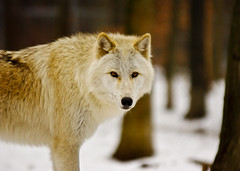
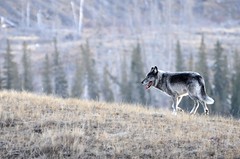
This autumn big news broke when a young wolf left his home pack and started heading west across Oregon. By December OR 7, as he is known, had traveled over 700 miles and set up camp in the heavily forested land between Medford, OR and Crater Lake. OR 7 is a bit of a celebrity these days and his journey, and the notoriety it is getting, is stirring up the rural/urban, rancher/conservationist divide over the reintroduction of wolves to Western States. Like Eddie Bondo, the Wyoming rancher and hunter in Barbara Kingsolver’s Prodigal Summer which I excerpted above, many people in rural Oregon view wolves as threats to their livelihood. The irony, of course, is that wolves returning to their mountains are in direct opposition to the real threat to their livlihoods.

By Fremlin
In Kingsolver’s beautiful novel, Eddie learns from the forest ranger Deanna about how important large carnivores are to the entire ecosystem they live in. Yes, large carnivores kill young and weak livestock, but another character in the novel notes that there are 10 other ways she might be responsible for the death of her animals. In fact, the land that supports a healthy population of carnivores can support a larger and healthier population of grazing animals. Even crop farmers benefit from the healthy ecosystems that support wolves, coyotes, bobcats and cougars. Those ecosystems provide clean water, balanced insect populations and habitat for pest rodents to live in so they are less likely to harass stored grains. Turns out, healthy ecosystems make for healthy farms, which in turn allow all people to live healthier lives.

I think one of the hardest things to wrap my city born brain around is just how detrimental our culture is to both wild things and to our own lifestyles. Our current practices of mining the earth’s resources are simply not sustainable – and I don’t mean that in the green washed way that Whole Foods or American Apparel mean it. I mean really, really for real, there is not going to be enough food, clean water, breatheable air or fertile soil to support the human population. We are filling our house with garbage and toxic waste, eating everything out of the fridge and refusing to see that things can’t go on like this.

The struggle for me, an environmentalist who cares about food issues and wildlife issues and really knows all about this stuff, is what to do on a daily basis. How do I make changes in my life that make it more sustainable, without abandoning civilization and living off dumpster diving and walking everywhere? I currently live a life that requires a car, and electricity and buying food at the grocery store. How do I take steps towards a life that this earth can actually support? Jessica Prentice quotes Martin Prechtel, the author of the book The Party’s Over, as he talks about the big, mechanized slug of a culture of progress. This “culture crushing mentality” has left behind a homogenized, lifeless civilization of freeways, big box stores and franchise restaurants. My sister went to India and her traveling partner insisted on eating McDonalds and KFC. It is mind boggling that you even can eat that food 
By Eoin C
so far away from the American heartland where it was invented! How do I fight this overwhelming slug without being a total outsider to my culture and community?

Prentice and Prechtel leave us with a simple, yet profoundly life shifting call to action; to recreate the interpersonal relationships found in our ancestral villages. Not to reject modern civilization (I do truly believe that appropriate technology will be profoundly useful in creating a sustainable culture) but building the human community within our civilization that makes life meaningful, valuable and worth honoring. In terms of food, this community is built through becoming a producer as well as a consumer, and trading with other individual producers. Buying eggs from a neighbor or local farmer, shopping for vegetables at the farmer’s market where you can shake the hand of the woman who grew your cauliflower, trading your dried oregano and wild harvested nettles for your neighbors apples or lettuce. These things allow us to see each other as valuable individuals, not just cogs in the wheel or obstacles on the way to our own fulfillment.

By Wiz411
We can create these webs of relationship in ways that don’t involve food, too. Taking the bus or walking allows us to really see our neighbors (and sometimes hear them, and smell them but that’s how we know they are real people). My group of friends is great at having the kinds of parties that allow us to build relationships, like Christmas lights viewing or cheese and wine parties or trips to the pumpkin patch. My church, like so many other places of worship, is another bastion of community relationships. When I was having such a dark time this last fall I realized that the culture of my church community involved explicitly being open with our needs and equally explicit with our ability to help each other both through encouragement and physical or material assistance. I learned that I had to be equally explicit with my non-church friends and once I did my needs were met quickly and lovingly.

The wolf is at the gate, this time of year. The days are dark and we are lonely, both in our daily lives and in our cultural life. Wolves show us how interconnected we all are and how important strengthening and honoring those connections really is. How connected do you feel these days, to your friends and family, your community and your larger ecosystem home? How do these connections nourish you, ground you or leave you feeling confined? Who do you like to buy your food from or share your food with? Do you have any wolf, coyote or other large predator sighting stories to share?  

**** **** **** **** **** **** ****

** This winter was tough and I got messed up in my calendar. I wrote this thinking it was the Milk Moon but it was really the Birth Moon. Since the post itself is more about the Wolf Moon, I just changed the tags and labels. For more on my thoughts about this, see this post. **

New Birth Moon 2008: Waiting

New Birth Moon 2009: Advent, Awaiting the Birth

New Birth Moon 2010: Winter is Dark, Yet Each Tiny Spark


My full Milk Moon post in January of 2010 is also about the Wolf Moon, and retells the wonderful story of St. Francis and the wolf of Gubbio.

Saturday, December 10, 2011

Living in Relationship

Full Death Moon

**** **** **** **** **** **** ****

During one of the last really difficult times in my life I found myself on a bus in Providence, Rhode Island right around this time of year, in fact. It was a terrible, dumb night and I looked out the window to see a sign on top of a cab that read, "Sometimes you're the pigeon, and sometimes you're the statue." It felt apt then, and it still feels pretty apt.

Life is hard and sometimes we make it harder than it needs to be. Once again, I feel like I am being shown and asked to work through the same situation over and over again in various aspects of my life because it is just that important right now. The situation this time is all about relationships. How do we live in relationship with other? How do we form and nurture relationships when we come from very different kinds of lives? How do we nurture relationships as our lives change? How do we address issues we have with other people's actions and values within the context of relationships?

This is the darkest time of the year when days are short and cold. The Earth has breathed her soul back in, bringing back the experiences gained from a summer of living out in the cosmos to be worked into wisdom in this dark time. This inward motion pulls the creatures that live on her surface into various kinds of rest, repose and reflection. Some creatures are sleepy and dormant, others have actually died, living on only in their seeds or eggs that will burst forth in life as spring warms them. Humans, too, feel this pull to be indoors, introspective, dreamy or reflective. In some cultures winter is the time for story telling, retelling and recreating the narrative of the culture's beginnings and values each winter. In the Christian calendar this is the season of Advent, of waiting and preparing for the birth of the savior at the darkest dark point of the year. In my eclectic pagan theology, it is the time when we are also waiting, working on the wisdom we gathered during the last year's cycle and waiting for the new birth of the year at solstice.

As we consciously and unconsciously work through all the things we experienced over the last season of growth and harvest we discern patterns and come to conclusions about how our life is and how we want our life to be. The really tricky part comes when we have to make decisions about how to act on any of these conclusions.

At West Hills Friends the first light of advent was called the light of the prophets. Prophets are in direct relationship with god and speak up to their community about what they know. Their speaking up often puts them at odds with the people around them and can even sever relationships with people they used to be in strong relationship with. When Abram got word from Yaweh that he was to leave his home in Ur and travel to another land, it meant leaving behind everything and everyone he had known from childhood. John the Baptist was beheaded for his prophesying and Joseph Smith was run out of town (er, three of them), tarred and feathered and finally murdered for his prophetic visions. Being true to what you see, what you know and what you believe requires great courage and faith; courage to act despite the uncertainty and faith that you deserve to be heard, no matter the outcome.

The second light of advent this year at West Hills Friends was dedicated to the Angel Gabriel and those who receive his word with wonder. Our pastor told the story of Zachariah who, when told that his wife would become pregnant in her old age, asked how that would be and was promptly struck dumb. Many people consider this a punishment on Zachariah for questioning the Angel, but our pastor pointed out that Mary asked the same question and was not silenced. Zachariah's silence, our pastor argued, was a gift. He didn't have to explain himself, he didn't have to expound on his experience and he didn't have to defend his actions, belief or wonder. I see parallels between Zachariah's silence in the face of mystery with the silence of plants, the correspondence for the second week of advent in the Waldorf tradition. Plants and trees stand tall in the face of all the glory and mystery that is life on this planet.

Sometimes, as we wrestle with how to be in an authentic relationship with other people that is true to our own needs and beliefs, but also loves and honors the other person's innate humanity, we wrestle with these polar positions of speaking and being silent. How do we speak our truth with courage? When do we stay silent in the face of wonder that is god incarnate in another person's life? When do we speak up to protect our own integrity and how do we stay silent when we don't understand what is going on?

This month's full moon, the full moon in both the Death Moon and the Moon of Long Nights, is asking us all these questions and more. The full moon was fully eclipsed over much of the world on the night of December 10 and it feels like that eclipse brings even more questions and mysteries. As we spend these last two weeks sinking further into the darkness before the solstice, we might find ourselves wrestling with these questions. How do we live in relationship with other people? No one knows how to do it, but we all have to do it.

Moon photos by lamentables and jpstanley. Click on the photos or their names to see more of their amazing work. Thanks!

**** **** **** **** **** **** ****


** This winter was tough and I got messed up in my calendar. I wrote this thinking it was the Birth Moon but it was really the Death Moon. Since the post itself is more about the Moon of Long Nights, I just changed the tags and labels. For more on my thoughts about this, see this post. **


Full Death Moon 2008: Full Moon in Taurus

Full Death Moon 2009: Moving From the Season of the Dead

Full Death Moon 2010: Wear it As Long as Thou Canst

The Full Birth Moon post in 2010, The Dark of the Dark is also about a lunar eclipse.

Saturday, November 26, 2011

It's Hard

New Birth Moon

**** **** **** **** **** **** ****


I'm student teaching right now and it is possibly the hardest thing I've ever done.

What's so hard is the commute. A solid hour each way with the sun rising halfway through the morning drive and setting halfway through the evening drive - if I leave right on time, which I rarely do. It's a long, stressful drive and it leaves me exhausted every day.

What's so hard is how tired I am. To get there before class starts means waking up at 5am. I rarely make it back home before 7pm and then it's essentially make-dinner-pack-lunch-pass-out time.

What's so hard is how lonely I am. I don't see my friends, or really have much contact with them. My days are filled with strangers and people I'm not terribly fond of. And those long, long drives.

What's so hard is how stressed out I am. I have so much schoolwork, both for the student teaching itself and for my other classes. I'm behind in everything, and this knot in my stomach hasn't really left in a couple weeks.

It's all hard, and sometimes I drown in the hardness. Sometimes I can't see out of my own Debbie-Downer attitude about being tired and lonely and stressed out. Sometimes I cry. OK, more than sometimes.

The new moon we are celebrating this weekend is the Birth Moon in Annette Hinshaw's calendar and the Moon of Long Nights in the calendar Jessica Prentice lays out. The Moon of Long Nights is the month of the Winter Solstice, the month of darkness.

In her book, Full Moon Feast, Jessica Prentice discusses a number of authors and researchers who have looked at how the human body responds to light and darkness, disease and health, known and unknown. She says something I've stated before on this blog - that our culture is a culture of light and growth and bigger, better, onward and upward but our physiology needs rest periods. Too often we deny the darkness and fallow periods in life to the detriment of our psychological, spiritual and physical health.

What is interesting to me is not so much the darkness of winter, but other kinds of darkness. I have spent a number of years allowing myself to sink into that rhythm of the seasons and have come to quite enjoy the rest that comes with the long nights and wet days of winter. What I am experiencing right now, though, is a different kind of darkness, a dark time of a trial or that dark night of the soul some people experience when they feel so far away from god. It's just so hard.

Some days, I drown in the darkness. I am lonely and sad and tired and freaked out. I am being pushed and stretched and molded and it hurts. I think about staying in bed or of driving to Texas instead of to my Quiet Little Mountain Town. Some days I am sure my friends don't care about me and I'll never be able to do what is asked of me and it will all end in disaster. It is dark, and hard.

Other days, or other hours, I can bob up out of the darkness and feel the pull of the Birth Moon even in the midst of the darkness. The Birth Moon is the time when new light and new hope is born, even in the middle of the hard. I can see clearly, my head is on straight and I know this is all for the good. The hard is the call, it is the point of it all. If I didn't do anything hard I'd never get any better and this particular hard only lasts a couple more weeks. I am actually coping well and learning so much. And the sunrises, and the beautiful mountain valleys, and the leaves and the kids are all amazing.

On these days I feel so clearly and strongly my pronoic foundational beliefs. The Universe really IS a conspiracy to make me smarter, wiser, happier and better. The difficult is doing the exact same thing as the delightful; making my life more fully useful to god's purposes. I am being tested and trained in the crucible, but it is all for the best. Hard is the calling, hard is the name of the game. But it's still really, really hard.

My family's Thanksgiving tradition is to go around the table during dinner and say what we are thankful for. This week I had four different Thanksgiving dinners with four different "families" and four different delicious spreads of food. And at each dinner I said what I was thankful for; I am thankful for my friends and family who do love me, even if my monsters sometimes try to convince me otherwise. I am thankful that no matter how poor or disadvantaged I may feel, I can still buy gas, socks and chocolate ice cream. I am thankful for the hard. It really is working to liberate me from suffering, shower me with blessings and make me smarter, stronger and happier.


*** *** ***

For the wide sky and the blessed sun,
For the salt sea and the running water,
For the everlasting hills
And the never-resting winds,
For trees and the common grass underfoot.
We thank you for our senses
By which we hear the songs of birds,
And see the splendor of the summer fields,
And taste of the autumn fruits,
And rejoice in the feel of the snow,
And smell the breath of the spring.
Grant us a heart wide open to all this beauty;
And save our souls from being so blind
That we pass unseeing
When even the common thornbush
Is aflame with your glory,
O God our creator,
Who lives and reigns for ever and ever.

A Thanksgiving prayer by Walter Rauschenbush.

**** **** **** **** **** **** ****

** This winter was tough and I got messed up in my calendar. The moon that this post was written about -the Birth Moon - and the moon that it actually was according to Annette Hinshaw's calendar - the Death Moon - are not the same. For more on my thoughts about this, see this post. ** 


New Birth Moon 2008: Waiting

New Birth Moon 2009: Advent, Awaiting the Birth

New Birth Moon 2010: Winter is Dark, Yet Each Tiny Spark


I also talked about Very Hard Things in the post Very Bad Things and Our Lady of Sorrows.

Sunday, November 13, 2011

Snow Moon: Connecting with Our Food

Full Sorting Moon

**** **** **** **** **** **** ****


The moon a month before the winter solstice in Jessica Prentice's book, Full Moon Feast, is called the Snow Moon. In a pre modern society, this is the time of the year when the larders are full and people are beginning to live off their stored food rather than fresh food. It is fascinating for us, modern people with modern conveniences, to ponder life without refrigeration or electric freezers. What exactly does it take to make sure your household has enough food stored in a way that it will keep until fresh food becomes available again? And what does it mean to us and our connection with our food, with our food producers and with our larger community of spiritual beings that we don't have to think about where our food comes from?

Like most Americans, I get most of my food from grocery stores. On any day of the year I can easily get to a store and bring home almost any kind of fruit or vegetable, hygienic foods preserved in cans, bottles or frozen and even any number of prepared foods for a rather reasonable price. It is a rare week when I have to think about what I am going to eat further in advance than a couple of hours or maybe a day or two. Jessica Prentice points out that Americans tend to act like big babies when it comes to their food. We expect it to be available to us at any time with very little thought or effort on our own part. She notes that we are aghast when people claim they don't know how to drive but hardly bat an eye when people say they don't know how to cook.

Our ancestors, and many people all over the world, put infinitely more care into their food than we generally need to. Many people need to spend hours of the day for months of their year to collect, prepare and preserve enough food to meet their needs. These people are intimately in touch with their food from the exact part of the garden or field that it came from or which individual animal provided the food, through to what it looks and feels like in the kitchen through how it acts when it is prepared and preserved. They have an deep, visceral connection with their food.

Over the past few years I have been making small, spiraling movements towards this kind of connection with my food. I grow a garden each year and revel in my own small harvests of snow peas, snap beans, cherry tomatoes and radishes. My garlic crop is my pride and joy and I relish the yearly rhythm of planting it right around Halloween, watching it come up in the February, monitoring it through the spring and deciding exactly when, in late June or early July, to dig up the whole patch. Then there is the process of tying the bunches to dry and checking on them every few days until they are ready to be trimmed, brushed of dirt and sorted into seed garlic and eating garlic. Luckily, garlic is good to eat at every stage from sprout to cured, so there is no wasted garlic out of my garden.

I also have taught myself to make a number of foods that are traditional ways to preserve foods for the winter. I recently made a big batch of yogurt and have made sour cream and kefir, another fermented dairy product, in the past. I occasionally make sourdough breads and really enjoy making fermented vegetable pickles. Sauerkraut, kimchi and other fermented vegetables are, as Jessica Prentice points out, excellent ways to ensure a supply of enzyme and vitamin rich vegetables through a long, dark, cold winter. The fermenting actually increases some vitamin levels and also provides lactic acid, a digestive aid that no doubt helped our ancestors deal with an otherwise plain and coarse winter diet of dried or salted meat, beans and grains. Even today this tradition continues to serve fermented vegetables with heavy foods like sauerkraut with sausages and cornichons with pate. In Korea, kim chi could provide up to half the food intake for a family during the winter and is especially full of healthful food compounds thanks to the garlic, onions, ginger and chilies that usually spice the potent cabbage dish.

This autumn I finally gave in to the giant "sauerkraut cabbages" for sale at my favorite pumpkin patch farm. For less than 4 dollars I was able to take home 18 pounds of cabbage to turn into as much lacto fermented goodies as I could fit in my fridge. I used some of it to make a giant batch of coleslaw and another goodly pile of it became a braised cabbage dish but the rest became three kinds of sauerkraut, a fusion kim chi and three jars of cortido. My fermented cortido is based on the Latin American cabbage salad with pineapple, onion, garlic, chiles and oregano spicing the cabbage. It took me over a week to process the entire head of cabbage but now I have enough kraut to last at least through the winter.

*** *** ***

2011 Fusion Kim Chi

Check out my other blog for some more detailed instructions for making fermented vegetables like sauerkraut, pickled vegetables or kim chi.

Shred a pile of green cabbage and put it in a large mixing bowl. Fill it up about half way.

When you get sick of shredding cabbage, wash out a couple jars with lids, maybe two quart jars, or four pint jars, or whatever old spaghetti sauce jars you have. Slice 2 carrots into thin coins, planks or match sticks and toss them in with the cabbage.

Slice half an onion into longitudinal planks and toss that in two. Add in two handfuls of pineapple chunks, if you happen to have some sitting around like I did. You could add firm apples, pears or jicama instead, or leave that out all together.

Sprinkle about a tablespoon of salt over the cabbage and toss it. Peel a big ole knob of ginger and about 10 cloves of garlic. Chop them all up together into a fine mince, or slice them into planks. Toss that in with the vegetables. Doesn't it smell delicious?

Add a big shake of ground red chiles. (I usually use New Mexico chiles because I like the warmth and flavor but this time I used Aleppo pepper, a middle eastern variety. You can buy ground pepper for kim chi at an asian store, but every brand I've found has added MSG or other flavorings.) Add a little pepper flakes if you want more heat, or even some cayenne or fresh peppers if you like your kim chi fiery.

Look at it now. It should be glistening and moist, and bright red. Mix it up -
with your hands, of course.

Taste a piece of cabbage and add some more salt if you need to. When it is good and salty, good and red, good and tasty start packing it into jars. Press the vegetables down until the brine comes up over top of the veggies. Pack the jars full but not over the threads of the jar. Close them up,
let them ferment and then move to the fridge. Enjoy with macaroni and cheese, rice or anything else you serve at your winter table.

*** *** ***

Our spiritual connection with food is a huge topic that I intend to explore more fully this year but even this vast topic starts with the daily actions of eating and preparing food. We are adult beings who are able to take responsibility for feeding ourselves and do not need to abdicate that to restaurants or food manufacturers. Taking back our connection to our food starts with making dinner, with an pot of herbs on the windowsill, with an experiment in making jam or pickles or yogurt. I certainly don't claim any special knowledge on what is the most healthful or most ecologically sound diet, I just know it is important to care about what goes into our mouths. That food becomes us, it is our vital, physical, chemical, energetic link with the rest of creation. That shouldn't come out of a box.

What foods or dishes are you most connected with? Have you ever done any food preserving or growing food in a garden? Does what food you serve change as the seasons change or do you continue to take full advantage of our modern food distribution system (or both, like in my house)? What food means winter to you?

**** **** **** **** **** **** ****

Full Sorting Moon 2009: Full Sorting Moon


Full Sorting Moon 2010: The Rains Have Come


A number of posts from my first year of blogging here contain recipes. At the Harvest Moon 2010 I shared a recipe for another of my favorite preserves, plum ketchup.