Full Fasting Moon
**** **** **** **** **** **** ****
I walked out of my house at 6:30 this morning and was greeted by the bright light of the rising old crescent moon. It was lovely, and a beautiful sight in the predawn hour, but it also reminded me just how late in writing this blog post I am.
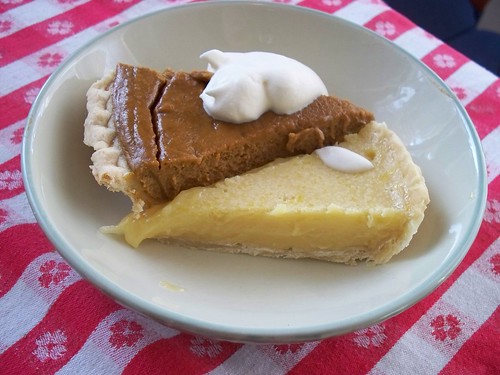 This month is the Hunger Moon in Annette Hinshaw's calendar and the Sap Moon in Jessica Prentice's. It is the late winter moon where resources are scarce but the first joyful gift of spring - sugary sap from maple, birch and other trees - is starting to flow. Even in the harshest of climates, spring is starting to show itself. Heck, in milder climates like mine spring has sprung! I saw the first car-covered-in-fruit-tree-petals of the season yesterday and daffodils are popping up in many yards around town. We did have a freak snow storm earlier this week, but it melted into a warm, soggy rain by the end of the week.
The interlocking themes of the Sap Moon and the Fasting Moon have been fascinating me this month. One of the first connections that jumped to mind in thinking about these two moon themes is the connection between sugar consumption and poor health. It is getting clearer and clearer to both medical professionals and the general public that consuming too much sugar (and other refined carbohydrates) is really bad for your health. Dr. Joseph Mercola, the well known counter cultural medical doctor and businessman, recently wrote an article claiming sugar is the cause of everything from obesity and diabetes to high blood pressure, kidney disease and fatty liver disease. Other researchers have evidence that sugar interferes with mineral and protein absorption, an acidic digestive tract, food allergies and distracted, hyper or anxious behavior. A classic favorite New York Times article from 2002, What If It's All Been a Big Fat Lie by Gary Taubes, also puts forth the idea that it isn't fat that is making us sick and fat, but carbohydrates like sugar and white bread. Even if none of those fantastical claims are true, the uber-main stream USDA's My Plate campaign still count "reducing your kids' sweet treats" as one of their 10 tips for healthier eating (though there is almost nothing else worth commending about this plan. Ugh). The general consensus among thinking people is that the American habits of sugary foods and sugary drinks are not helping our chronic public and private health problems (check out this AWESOME infographic about sugary fruit drinks).
 |
| Mait Jüriado |
So, we can agree that we should be eating less sugar than we currently do. But sugar tastes so good. It reminds us of mother's milk, sweets we had as children and general lovely and happy feelings. They are an important part of our food rituals and traditions. As a blogger I love noted the other day, sweets make you smile. Imagine trying to have a sugar free Christmas (no cookies, or candycanes!) or birthday (no cake, ice cream or soda!). But to be skinny, cavity free and healthy it might be worth it.
We can look back into progressive tradition to find another group of people who abstained from sugar for a good reason. 19th century abolitionists in America and Britain launched strong and successful campaigns to convince people to refrain from sugar on the grounds that it was produced by slave labor. An anti sugar leaflet was published by a man named William Fox in 1791 and by the next year as many as 400,000 people claimed to be abstaining from slave grown sugar. In March of that year, a Quaker merchant from Suffolk named James Wright put out an advertisement informing his customers that he would no longer be selling sugar.
“…..Therefore being impressed (as I have said) with the Sufferings and Wrongs of that deeply injured People, and also with an Apprehension, that while I am a Dealer in that Article, which appears to be a principal Support of the Slave-Trade, I am encouraging Slavery; I take this Method of informing my Customers, that I mean to discontinue selling the Article of SUGAR, (when I have disposed of the Stock I have on hand) ‘till I can procure it through Channels less contaminated, more unconnected with Slavery, and less polluted with Human Blood…….”
 |
| Abolition Project |
Those "channels less contaminated" included, for some people, the more expensive sugar produced by free laborers in India but for many it meant natural sugars like honey, sorghum and maple syrup. As early as the signing of the Declaration of Independence, abolitionists like Benjamin Rush along with some more early Quakers, were agitating for families to use maple syrup instead of slave produced West Indian sugar. Maple syrup, made by small farmers in New England and Canada, was free of these bloody associations with slavery and very patriotic. Maple syrup is still a valued food, known as an artisanal, local specialty and considered much more healthful than white sugar. A wonderful homeschooling family just did a whole unit on maple sugaring this winter and blogged about the whole, fascinating process. Go check out what they did and what they learned.
Buying local sweetners instead of slave produced ones was a a matter of deep held principal for these abolitionists. They knew that all men are born of God and thus all men are entitled to the same respect, rights and love as all others. To be economically entangled with an industry that is so guilty of the disrespect of these rights and duties towards mankind was morally indefensible. Is it any more defensible today? There are still enslaved Africans producing our chocolate and many other goods are produced through the blood and sweat of economically indentured workers or grotesque and inhumane treatment of sentient beings. Still others come at the price of environmental degradation that most of us are appalled at. How can we spend our money on such dirty things?
 |
| Hadleygrass is asparagus |
Then I am back to the perennial question of how do we idealistic liberals continue to live in this culture (rather than abandoning it for Utopian communes or private Edens) while still holding to our core beliefs and values? The beloved 18th century Quaker John Woolman, in his essay Some Considerations on the Keeping of Negroes, placed his finger right on the crux of this issue:
"When self-love presides in our minds our opinions are biased in our own favour. In this condition, being concerned with a people so situated that they have no voice to plead their own cause, there’s danger of using ourselves to an undisturbed partiality till, by long custom, the mind becomes reconciled with it and the judgment itself infected. "
When we love ourselves more than we love God (God-in-others, God-in-nature, God-in-ourselves or any other kind of God we can think of) we find a way to justify our actions. We find a way to believe that it is all OK, we don't make a difference, it's not that big of a problem anyway. In December I addressed this very question and offered the idea of making connections with other people, other genuine, connected to God, honest to goodness people would help rebuild webs of community. Building or rebuilding the structures we want in the world are important, but the Fasting Moon this month points to the fact that we can reject that which we don't want, too.
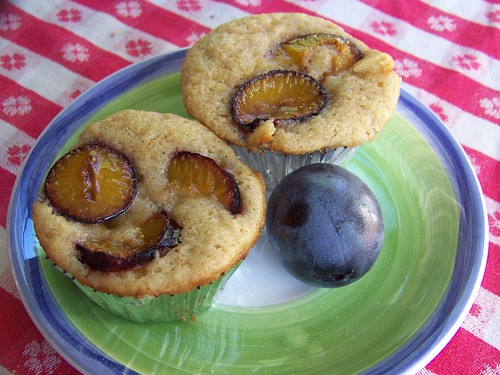
Sometimes, we just have to buck up and say no. It is important that people say no to slave grown sugar and chocolate, factory farmed meat, and destructive industries of all kinds. Sigh. That is just so hard, and I don't have much energy leftover right now for another hard challenge in my life. Part of Grabbing the Tiger by the Tail is knowing when to walk away from the tiger... knowing that you will return someday.
What is your relationship with sugar? Do you watch how much you consume or do you pack in the sweets whenever possible? Are you worried about health implications or do you have other moral issues like the early abolitionists? Have you ever tapped maple trees or raised bees? How are you Grabbing the Tiger by the Tail this early spring?
**** **** **** **** **** **** ****
Full Fasting Moon 2009: Full Moon in the Fasting Moon
Full Fasting Moon 2010: I didn't post a Full Fasting Moon post in 2010, but Spring is Springing is a New Fasting Moon post for that spring.
Full Fasting Moon 2011: Of Peacocks, Pride and Park Rangers


