Showing posts with label responsibility. Show all posts

Thursday, August 30, 2012

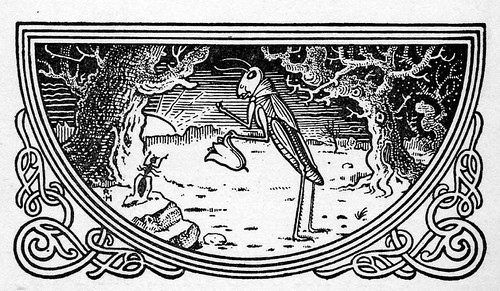
The Grasshopper and the Ants

New Nesting Moon

**** **** **** **** **** **** ****
 
IN a field one summer’s day a Grasshopper was hopping about, chirping and singing to its heart’s content. An Ant passed by, bearing along with great toil an ear of corn he was taking to the nest.

“Why not come and chat with me,” said the Grasshopper, “instead of toiling and moiling in that way?”

“I am helping to lay up food for the winter,” said the Ant, “and recommend you to do the same.”

“Why bother about winter?” said the Grasshopper; “we have got plenty of food at present.” But the Ant went on its way and continued its toil. When the winter came the Grasshopper had no food, and found itself dying of hunger, while it saw the ants distributing every day corn and grain from the stores they had collected in the summer.

*** *** *** 

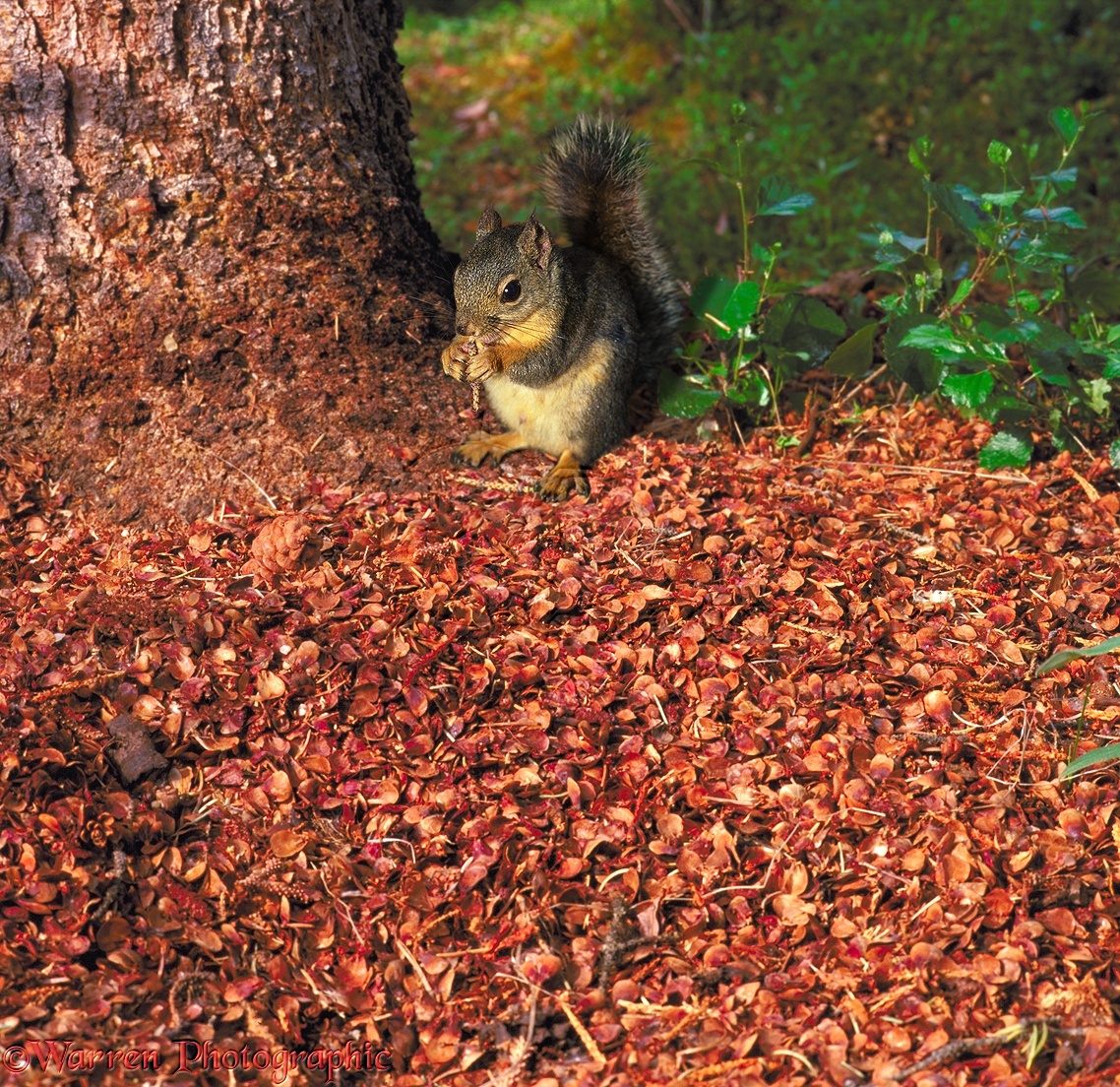
Douglas Squirrel by Powerkey
Can you feel it? The change is in the air. The light is a bit thinner, a bit more golden and the sun is lower in the sky, shining right in my eyes for more of the afternoon. There are more leaves on the trails I walk every day. Mostly Indian plum and Big Leaf Maple, the early changers, but more leaves on the street trees are turning red and gold. Every stump and log in the park I work in is covered with the ripped apart Douglas fir cones left behind by the Chickaree squirrels. The coastal forest we hiked in today is chalk full of ripe red huckleberries and salal and a few acorns can be found on the ground in other forests. Mornings are cooler, despite warm afternoons, but the real signs of autumn include the winter flock of bushtits and the first wooly bear caterpillar sighting. 

With the first signs of autumn come the first inklings that my season of frolicking and play might need to come to an end. My summer job ends in a very short number of weeks and I have nothing lined up for the fall. As I analyze my complete and utter lack of taking responsibility for my career path since graduation, I am coming up against some big fears I will need to work on this dark season. It isn't the introspective season yet, but I see it coming.

via Dierken
In another version of the classic Aesop's fable, the grasshopper "perishing with famine, passed by and earnestly begged for a little food." When they learn that he did not store treasure in the summer, they deride him by saying "If you were foolish enough to sing all the summer, you must dance supperless to bed in the winter." I hope that the winter, and the ants I may run into, will be a bit more forgiving of my summer of singing than the ants in this tale. But I guess we'll have to burn that bridge when we get to it.

Have you been an ant or a grasshopper this summer? What signs of autumn are you seeing around you? What work do you see in front of you for the winter? What is your favorite part of summer that you will miss most?


**** **** **** **** **** **** ****

New Nesting Moon 2011: Golden Autumn and The Book of Nature

New Nesting Moon 2010: Ramadan 

New Nesting Moon 2009:  Breathe a Sigh of Relief  

Tuesday, March 20, 2012

Sap Moon

Full Fasting Moon

**** **** **** **** **** **** ****

I walked out of my house at 6:30 this morning and was greeted by the bright light of the rising old crescent moon. It was lovely, and a beautiful sight in the predawn hour, but it also reminded me just how late in writing this blog post I am.
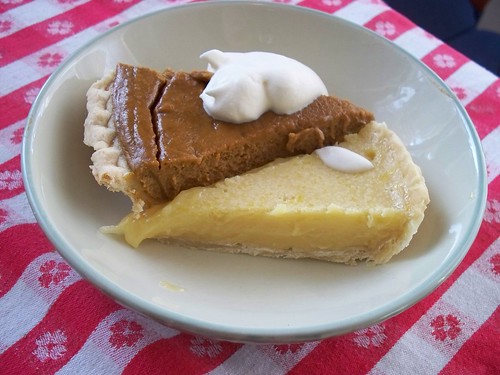
This month is the Hunger Moon in Annette Hinshaw's calendar and the Sap Moon in Jessica Prentice's. It is the late winter moon where resources are scarce but the first joyful gift of spring - sugary sap from maple, birch and other trees - is starting to flow. Even in the harshest of climates, spring is starting to show itself. Heck, in milder climates like mine spring has sprung! I saw the first car-covered-in-fruit-tree-petals of the season yesterday and daffodils are popping up in many yards around town. We did have a freak snow storm earlier this week, but it melted into a warm, soggy rain by the end of the week.

The interlocking themes of the Sap Moon and the Fasting Moon have been fascinating me this month. One of the first connections that jumped to mind in thinking about these two moon themes is the connection between sugar consumption and poor health. It is getting clearer and clearer to both medical professionals and the general public that consuming too much sugar (and other refined carbohydrates) is really bad for your health. Dr. Joseph Mercola, the well known counter cultural medical doctor and businessman, recently wrote an article claiming sugar is the cause of everything from obesity and diabetes to high blood pressure, kidney disease and fatty liver disease.  Other researchers have evidence that sugar interferes with mineral and protein absorption, an acidic digestive tract, food allergies and distracted, hyper or anxious behavior. A classic favorite New York Times article from 2002, What If It's All Been a Big Fat Lie by Gary Taubes, also puts forth the idea that it isn't fat that is making us sick and fat, but carbohydrates like sugar and white bread. Even if none of those fantastical claims are true, the uber-main stream USDA's My Plate campaign still count "reducing your kids' sweet treats" as one of their 10 tips for healthier eating (though there is almost nothing else worth commending about this plan. Ugh). The general consensus among thinking people is that the American habits of sugary foods and sugary drinks are not helping our chronic public and private health problems (check out this AWESOME infographic about sugary fruit drinks).

Mait Jüriado
So, we can agree that we should be eating less sugar than we currently do. But sugar tastes so good. It reminds us of mother's milk, sweets we had as children and general lovely and happy feelings. They are an important part of our food rituals and traditions. As a blogger I love noted the other day, sweets make you smile. Imagine trying to have a sugar free Christmas (no cookies, or candycanes!) or birthday (no cake, ice cream or soda!). But to be skinny, cavity free and healthy it might be worth it.

We can look back into progressive tradition to find another group of people who abstained from sugar for a good reason. 19th century abolitionists in America and Britain launched strong and successful campaigns to convince people to refrain from sugar on the grounds that it was produced by slave labor. An anti sugar leaflet was published by a man named William Fox in 1791 and by the next year as many as 400,000 people claimed to be abstaining from slave grown sugar. In March of that year, a Quaker merchant from Suffolk named James Wright put out an advertisement informing his customers that he would no longer be selling sugar. 
 “…..Therefore being impressed (as I have said) with the Sufferings and Wrongs of that deeply injured People, and also with an Apprehension, that while I am a Dealer in that Article, which appears to be a principal Support of the Slave-Trade, I am encouraging Slavery; I take this Method of informing my Customers, that I mean to discontinue selling the Article of SUGAR, (when I have disposed of the Stock I have on hand) ‘till I can procure it through Channels less contaminated, more unconnected with Slavery, and less polluted with Human Blood…….”
Abolition Project
Those "channels less contaminated" included, for some people, the more expensive sugar produced by free laborers in India but for many it meant natural sugars like honey, sorghum and maple syrup. As early as the signing of the Declaration of Independence, abolitionists like Benjamin Rush along with some more early Quakers, were agitating for families to use maple syrup instead of slave produced West Indian sugar. Maple syrup, made by small farmers in New England and Canada, was free of these bloody associations with slavery and very patriotic. Maple syrup is still a valued food, known as an artisanal, local specialty and considered much more healthful than white sugar. A wonderful homeschooling family just did a whole unit on maple sugaring this winter and blogged about the whole, fascinating process. Go check out what they did and what they learned. 

Buying local sweetners instead of slave produced ones was a a matter of deep held principal for these abolitionists. They knew that all men are born of God and thus all men are entitled to the same respect, rights and love as all others. To be economically entangled with an industry that is so guilty of the disrespect of these rights and duties towards mankind was morally indefensible. Is it any more defensible today? There are still enslaved Africans producing our chocolate and many other goods are produced through the blood and sweat of economically indentured workers or grotesque and inhumane treatment of sentient beings. Still others come at the price of environmental degradation that most of us are appalled at. How can we spend our money on such dirty things?

Hadleygrass is asparagus
Then I am back to the perennial question of how do we idealistic liberals continue to live in this culture (rather than abandoning it for Utopian communes or private Edens) while still holding to our core beliefs and values? The beloved 18th century Quaker John Woolman, in his essay Some Considerations on the Keeping of Negroes, placed his finger right on the crux of this issue: 
 "When self-love presides in our minds our opinions are biased in our own favour. In this condition, being concerned with a people so situated that they have no voice to plead their own cause, there’s danger of using ourselves to an undisturbed partiality till, by long custom, the mind becomes reconciled with it and the judgment itself infected. "
When we love ourselves more than we love God (God-in-others, God-in-nature, God-in-ourselves or any other kind of God we can think of) we find a way to justify our actions. We find a way to believe that it is all OK, we don't make a difference, it's not that big of a problem anyway. In December I addressed this very question and offered the idea of making connections with other people, other genuine, connected to God, honest to goodness people would help rebuild webs of community. Building or rebuilding the structures we want in the world are important, but the Fasting Moon this month points to the fact that we can reject that which we don't want, too. 
Sometimes, we just have to buck up and say no. It is important that people say no to slave grown sugar and chocolate, factory farmed meat, and destructive industries of all kinds. Sigh. That is just so hard, and I don't have much energy leftover right now for another hard challenge in my life. Part of Grabbing the Tiger by the Tail is knowing when to walk away from the tiger... knowing that you will return someday. 

What is your relationship with sugar? Do you watch how much you consume or do you pack in the sweets whenever possible? Are you worried about health implications or do you have other moral issues like the early abolitionists? Have you ever tapped maple trees or raised bees? How are you Grabbing the Tiger by the Tail this early spring? 

**** **** **** **** **** **** ****  

Full Fasting Moon 2009: Full Moon in the Fasting Moon

Full Fasting Moon 2010: I didn't post a Full Fasting Moon post in 2010, but Spring is Springing is a New Fasting Moon post for that spring.

Full Fasting Moon 2011: Of Peacocks, Pride and Park Rangers

Sunday, August 28, 2011

Courage, Bullying and Ramadan

The Old Father's Moon

**** **** **** **** **** **** ****

Eid Mubarak! The holy month of Ramadan is closing and the Muslim world is celebrating Eid ul Fitr, a massive celebration of family and festivities. People all over the world have been buying new clothes and even new furniture, preparing huge meals and readying gifts for family and neighbors. They will spend anywhere from one to five days visiting family, hosting feasts and distributing gifts to celebrate the end of the holy month of fasting. I get the feeling it's kind of like Christmas as far as a party season is concerned.

Over this last month I have been collecting and sharing stories about the different kinds of people in the world who are Muslim. I have read about the Muslim people of Senegal, Indonesia, Bosnia-Herzegovina, Syria, Iran, Pakistan, Iraq, Detroit, Los Angeles and many many others. I have read about their food customs (and eaten a number of delicious date concoctions - check out My Halal Kitchen's Dates and Cream), their daily life during Ramadan and their special religious ceremonies during the month. As I read, I kept in mind the charge I set myself at the beginning of the month, to be mindful of God-in-People. A query I asked "Do I speak to and answer “that of God” in everyone?"

One of the things I came to realize as I read these stories is that we as a species can be quite awful to each other. We are very bad at realizing and respecting that of God in each other. I learned a lot of stories about people being oppressed, persecuted and outright killed because of their cultural affiliation. I read about the Uiygar people who's lands were invaded by the Han Chinese in the early 20th century and have been oppressed religious and ethnic minorities ever since. Recent years have seen resistance violence in their Central Asian capitol which has resulted in harsh bans on practicing their Muslim faith. I read about the Kurdish people who, after World War I, had their ancestral lands split between Turkey, Syria and Iraq. Their cultural identity has been actively suppressed by the Turkish government and the government of Saddam Hussain in Iraq. Their language has been outlawed, political organizing harshly crushed and even entire male populations of villages killed. I read about the Mughal invasion of northern India, where the new Muslim rulers felt justified in destroying Hindu religious sites because they were heathen, and modern laws and attitudes in Europe and America that make being a Muslim difficult and dangerous. Of course, stories of oppressors and oppressed are not limited to the Muslim world, but it was a theme that came up again and again.

The pastor at my Quaker meeting gave a sermon about bullpuckey, as he called it, the other week. He was specifically talking about bullpucky about Jesus and how Quakers stand in a unique place to see through, and speak up against bullpucky because of our belief in silent worship, personal connection with the divine and speaking truth to power. In worship, I thought a lot about a faith and values based anti-bullying program I heard about recently where the main focus is on helping bystanders to bullying find the courage to speak up. The thing that connects the bullpucky my pastor was talking about and the bullpucky of bullying is power, and writ large the bullpucky of those in power leads to the kind of oppression I see in my study of Muslim cultures. Whether oppressing or being oppressed, misuse of power, cultural bullying and disrespect of human life and dignity is a big pile of bullpucky.

What can we do about this cultural bullying, this disrespect for humanity? Paul Coughlin, the founder of the anti-bullying program The Protectors, says that the most powerful player in the theater of bullying is the bystander. Bullies do what they do because no one stands up to them, no one points out their disrespectful behavior, no one has the courage to say "stop!". A study quoted by Paul Coughlin's group says that 58% of bullying incidents end within just a few seconds of a bystander speaking up for the victim. Whether his numbers are true or not, and whether this study can be scaled up to culture wide bullying, I don't know. I do know, however, that we must do everything we can to shed light on oppression, bullying and bullpucky everywhere.

The Father's Moon energies ask us to think about how we can be mature adults as we interact with our community to make it a better place. How can we keep our community safe, how can we encourage community members to be better people? How can our own resources and gifts be used for the greater good? There are so many things going wrong with our communities that it is easy to get overwhelmed. It is easy to ignore the bullpucky, easy to let the bullies set the agenda. Courage is required to be a good father, and courage is required to use the Father's moon energies to speak up for those who need a champion. I'm not saying I'm any good at any of this, but I'm saying I feel a new call to be mindful of it.

The 10th Anniversary of 9/11 is coming up in the next week and I worry that with heightened emotions there will be extra bullpucky about Muslims, about war and about our cultural bullying. I wonder what I can do to be a courageous bystander.

What did you learn about Islam and Muslim people this Ramadan? I'd love to hear your stories or thoughts. Have you ever found the courage to stand up against bullying, oppression or other forms of bullpucky? What's your favorite recipe using dates? Eid Mubarak!

**** **** **** **** **** **** ****

This post is not for the Full Father's moon and it is not for the New Nesting Moon, it is for the old Father's Moon. Here are links to other Ramadan posts, which is the main theme of this post. Use the tag for "Father's Moon" to see other New and Full Father's Moon posts from years past.

Ramadan 2010: Ramadan and End of Ramadan

Ramadan 2011: Blessed Ramadan and Ramadan Postings 2011

Photos by Carmen Alonso Suarez, DMahendra, DVIDSHUB and zz77. Please check out their photos on Flickr.

Wednesday, July 6, 2011

Freedom

New Mother's Moon

**** **** **** **** **** **** ****

The new moon this month is the Mother's Moon, the moon full of the unconditional, formless, limitless love of the mother goddess. This year's new Mothers Moon happens to fall right around the Fourth of July, a holiday that last year I called the epitome of the Father's Moon energies. I still think that American Independence Day is, at its core, more aligned with the Father's Moon than the Mother's Moon but it is interesting to think about how it embodies the moon it falls in this year.

Freedom is an elusive concept. The dictionary defines it as being exempt from confinement, external control or regulation or the power to determine action without constraint. Many people don't really understand what freedom means because we middle class, 21st century Americans enjoy a level of economic, political, religious and personal freedom that is virtually unprecedented in human history. I just finished reading the Hunger Games trilogy, a young adult science fiction set in a world where people have very little freedom of choice or even thought. The books are so well written that I really had an emotional experience living into that constrictive, harsh world. I actually had moments, walking in the woods or driving down the road, wondering if I was in my world or Katniss' world and fearing that the gamemakers or people from The Capitol were controlling my experience or watching me. Realizing that I was not, in fact, in that world allowed me to literally breathe free. My experience is nothing compared to those of people who have been incarcerated, held captive or otherwise stripped of their freedom but it was enough to make me think about how blessed I really am.

Freedom's conjoined twin is responsibility. Some kinds of freedom - school boys in June, a factory worker at the end of day whistle, a dog in the woods - are the result of a lack of responsibility. Other freedoms, like those of citizens in a democracy, members of a Quaker meeting or adults who pay their own rent, come with a very hefty dose of responsibility. I find it interesting to think that the freedoms from responsibility can only be fleeting. Eventually those school boys need to eat and someone needs to have worked to get the food on the table. Freedoms with responsibility, though, can be very long lasting because the person enjoying the freedom is the person doing the work to maintain it.

I spent some time this week with my friend and her 4 month old twin sons. The babies enjoy existence in a blissful state of freedom from responsibility. Sure, they are working hard to grow and make sense of this crazy world they just got born into, but they don't have to do any work to provide for their own needs. Their mama does all of that. And though my friend loves her new life, she is also acutely feeling the lack of her previous freedoms. Hopefully, the work she is doing now and the freedoms she has given up in this season of her life will lay a foundation of love and trust in her sons so they can move out into the world in a healthy way as they grow. With care and luck, they will have the emotional home base to return to so they can explore the freedoms that come with responsibilities in the coming decades.

Sometimes I wonder about the mothers of America's Founding Fathers. They must have been amazing women. Not only did they raise sons to adulthood in a time when that was a feat accomplished against all odds, and not only did they do it with none of the modern conveniences we think are necessary, they did it so well as to raise men who were willing to make giant leaps into the unknown. Men who were so confident that they were loved that they were willing to take the enormous risk of breaking with all the cultural, political and philosophical traditions they knew. And even if the Founding Fathers' actual mothers didn't succeed in providing that foundation for their sons, someone did. Motherlove, the unconditional love that values you just for being you, is something we have turned to god for all over the world and in many traditions.

This is a big topic, and I can't quite find a way to wrap it all up with a bow. I'd rather end with some more quotes and questions....

Janis Joplin says freedom is just another word for nothing left to lose....

Stan Lee says with great power comes great responsibility....

The second Sabian Symbol I drew for this year, Building a Better Teacher 2011, was A Deserter from the Navy Stands Suddenly Aware of a Dawning Truth: Freedom is Never the Result of Compromise.

What does it all mean? How does one secure freedoms and enjoy responsibilities? How do we nurture the secure foundations of freedom in ourselves and others? What compromises do I need to be careful about? When do you feel most free, most secure, most loved? What does Fourth of July mean to you?


The photos all came up when I searched "freedom" on Flickr. Thanks izarbeltza, _ambrown, The U.S. Army and Nicolo Paternosters. Click on the photos or their names to see more of their work.


**** **** **** **** **** **** ****


Mother's Moon 2009: Gifts From the Mother

New Mother's Moon 2010: You Are the Mother's Beloved Child

Friday, November 19, 2010

Wear it As Long as Thou Canst

Full Death Moon

Full Death Moon 2008: Full Moon in Taurus

Full Death Moon 2009: Moving from the Season of the Dead

**** **** **** **** **** **** ****

Winter is here:

A large pale moon above a frosty field in the morning sun.

Big wet snowflakes drifting through the light of a street lamp.

The complex, geometric beauty of frost edged leaves in my garden.

The thud of frozen leaves hitting the shed roof as they fall off the fig tree.

The shock of cold when you open the door, the ache in your feet by the end of Meeting.

Seriously, winter is HERE.

Usually, in Portland Oregon winter is more about dark and wet than it is about actual cold. Sure, what cold we have is that bone chilling damp cold, but the thermometer rarely shows truly frigid temperatures. This week, though, we are experiencing a rare arctic blast with hard frost and ice, a little snow and a high of only 30 degrees. Winter is not joking around.

Winter is a time when we become very aware of our needs. We are in extra need of warmth, shelter, food, light and friendship. Resources run thin and the elements take their extra toll. As we become aware of our own needs we are often nudged to be aware of the needs of others. The plight of needy people in our own communities seem to loom large over us as well during this time of the year. My morning commute often takes me past people begging for money on street corners and I sometimes drive past the crowd of men and women outside Portland Rescue Mission on my way home from work. When I say my evening prayers, or give thanks to god for the warm and dry places in my life I am often reminded of these people who lack what I am so grateful to have.

These unmet needs of others can feel so overwhelming if we let them. This last weekend the pastor at my Quaker meeting gave a typically irreverent and witty message, this time about our responsibilities to our community. He used the terms diffused responsibility and shared responsibility to illustrate the difference between those burdens we all pick up together and those we leave to others to pick up. He said most of us are like zebras who flee when the lion comes out of the tall grass hoping it will be someone else's responsibility to become dinner.

We Quakers, though, like many other people who feel the presence of god in their lives, try to listen to what responsibilities god is calling us to address. There is a famous Quaker story about the time William Penn asked George Fox for his advice about something that was bothering him. George Fox founded the Quaker movement after receiving his vision on Pendle Hill and forming his convictions regarding the light of god in all people. William Penn was a young aristocrat who had converted to Fox's upstart religion and was concerned about his sword. All noble men wore swords in those days but Quakers were pacifists and believed in not carrying weapons so as not to provoke violence. Penn asked Fox what to do about his sword, most likely hoping for some rule or guide to follow. Fox did not provide him such an easy answer and instead said "I advise thee to wear it as long as thou canst."

Living in the wider world of ours with all of its issues and problems also requires us to choose to take responsibility or choose to leave responsibility for someone else to deal with. Like Penn we are allowed to wear the sword of our own lives and our own needs, leaving responsibilities to the poor and needy for others for as long as we can. Eventually, though, we need to set down our sword, pick up those burdens we are able to, and do what we are can with them.

  • My Meeting held a food drive during the months of October and November and we raised over 2000 pounds of food for Neighborhood House, a non-profit community group in our neighborhood. As part of our community celebration during that time members of our congregation created a labyrinth out of boxes and cans of food.
  • I also recently joined an organization called the Harry Potter Alliance, a group using imagery and language from the books by J.K. Rowling, plus a healthy dose of competition, to organize people to fight real world problems. The current campaign is a petition to get Time Warner to use all fair trade chocolate in their Harry Potter merchandising. They call it the Starvation Wages Horcrux and hope to raise awareness of fair trade issues in chocolate production and get a large corporation to make the responsible choice with its products (p.s. Click on that link, sign the petition and Hufflepuff as your house. We have a chance to win the house cup!).
  • This week my sister felt compelled recently to solicit donations from our friends for New Avenues for Youth, a homeless youth shelter in Portland. They are asking for donations of warm clothing to help kids who are living on the street stay warm and safe this winter. We have two giant garbage bags full of sweaters, socks and tshirts to be dropped off.

None of these actions alone are going to solve the problems world hunger, economic justice or crushing poverty by themselves. They might, however, make life a little better for one person somewhere in the world. We can't take on all the world's problems alone but we can, however, cultivate our habits of gratitude and giving, fill our hearts with stories of people who have given more than seems reasonable to others, and encourage others to give what they are called to give. Together, perhaps, we can change the world for the better.

What responsibilities have you been feeling called to shoulder as winter closes in? How do you connect with god as she is found in other people? What organizations do you support as they work to help poor, sick or oppressed people? How is winter showing itself in your neighborhood?